
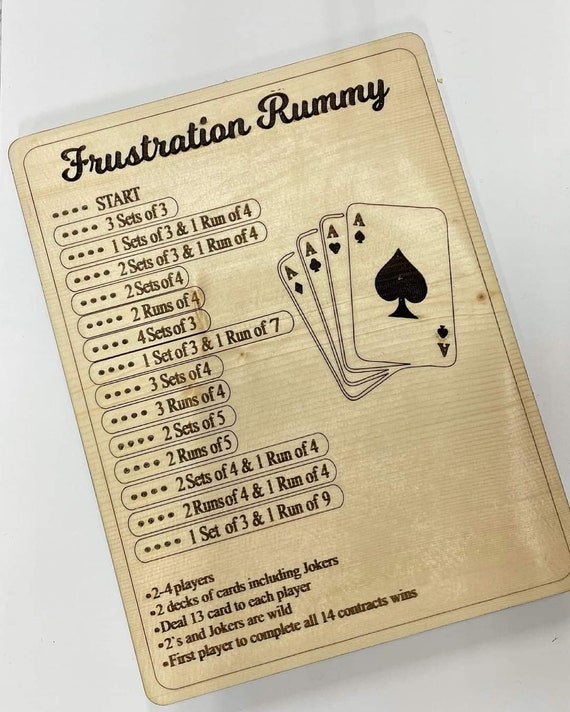
rummy, a classic card game enjoyed by millions worldwide, boasts various formats and rules. While the core principles remain consistent, subtle differences can exist depending on the specific variation. This guide focuses on the fundamental rules commonly found in many rummy versions, providing a solid foundation for both beginners and those looking to refine their skills. Understanding the intricacies of rummy involves not only memorizing the rules but also developing strategic thinking and adapting to the flow of the game.
The Basics of rummy:
rummy‘s objective is to arrange your hand into sets and sequences of matching cards. A set comprises three or four cards of the same rank but different suits. For example, three Jacks (hearts, clubs, and spades) form a set. A sequence, on the other hand, consists of three or more cards of the same suit in consecutive rank order. An example is the 5, 6, and 7 of hearts. A pure sequence is a sequence without a Joker.
Gameplay:
Rummy typically involves 2 to 6 players using one or two decks of standard playing cards, including Jokers. At the beginning of the game, each player receives a predetermined number of cards. The remaining cards form the stockpile, and the top card of the stockpile is turned face up to start the discard pile.
Players take turns either drawing a card from the stockpile or picking up the top card from the discard pile. After drawing, a player must discard a card from their hand onto the discard pile. The game continues with players drawing and discarding, aiming to meld their cards into valid sets and sequences.
Declaring and Scoring:
A player can declare their hand when they have formed all their cards into valid sets and sequences, with at least one pure sequence. They do this by discarding their final card face down. Points are then calculated based on the value of the unmatched cards in the hands of the other players. Number cards carry their face value, while face cards (Jack, Queen, King) and Aces typically have a higher designated value. The player who declares first wins the round.
Variations and Strategies:
While these basic rules apply to many rummy variations, specific rules, such as the use of Jokers, the number of decks used, and the scoring system, can vary. For instance, in some variations, Jokers can be used as wild cards to substitute any other card to complete a set or sequence. Learning the nuances of each variation is key to maximizing your winning potential.
Strategic play in rummy involves careful observation, calculated discards, and adapting to the changing dynamics of the game. Observing your opponents’ discards can offer valuable insights into the cards they need or don’t need, allowing you to adjust your strategy accordingly. Discarding high-value cards early on can minimize potential losses if another player declares before you.
The Importance of Practice:
Mastering rummy requires practice and patience. Regularly playing and analyzing your gameplay can significantly improve your understanding of the game’s complexities and enhance your decision-making abilities.
By understanding the fundamental rules, exploring different variations, and practicing regularly, you can enhance your rummy skills and enjoy this captivating card game to its fullest. Continuously learning and refining your strategies will undoubtedly lead to more rewarding and enjoyable gameplay experiences.
Download the game by clicking the icon below:


